
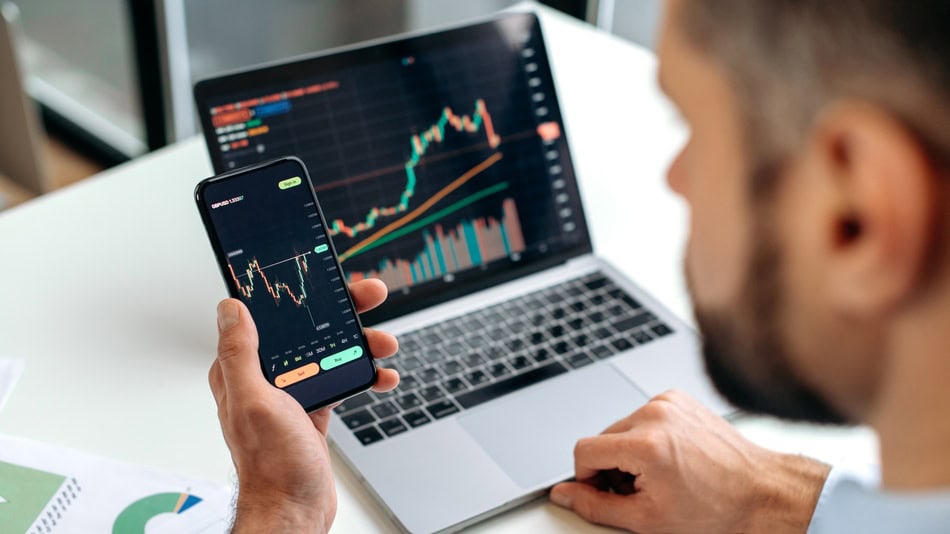
Futures trading attracts both beginners and seasoned investors because of its potential for high returns, but it also comes with significant risks. Among the most actively traded contracts are those tied to the S&P 500 index, which provide exposure to the performance of the U.S. stock market. For newcomers, the challenge lies in learning how to manage volatility, leverage, and risk before committing real money. That’s where the concept of simulation comes in. Understanding what is paper trading and applying it to trading S&P 500 futures can turn practice into profit by allowing traders to refine strategies in a risk-free environment.
Understanding S&P 500 Futures
The S&P 500 is a benchmark index that tracks the performance of 500 of the largest publicly traded companies in the United States. Futures contracts based on this index are standardized agreements to buy or sell the index at a predetermined price at a future date. Unlike individual stocks, these contracts give traders exposure to the entire U.S. equity market in one trade.
Trading S&P 500 futures is popular because of high liquidity, nearly 24-hour market access, and the ability to hedge or speculate with leverage. Whether a trader believes the market will rise or fall, S&P 500 futures provide opportunities for profit. However, the same leverage that amplifies gains can also magnify losses, making practice and risk management essential.
What Is Paper Trading?
Before committing to live trades, beginners should ask: What is paper trading? Paper trading is the process of simulating real trades without risking actual money. Historically, traders would track hypothetical trades on paper, recording entries, exits, and outcomes as if they were real. Today, most trading platforms offer digital paper trading accounts that mimic real market conditions with live price data.
This approach allows traders to test strategies, understand market behavior, and get familiar with order placement without financial consequences. For someone learning trading S&P 500 futures, paper trading provides the perfect balance between education and practice.
Benefits of Paper Trading for Futures Beginners
Paper trading is more than just a learning exercise—it’s a tool that builds essential skills for futures traders.
- Risk-Free Experimentation: Traders can test strategies for S&P 500 futures without worrying about losses.
- Understanding Market Mechanics: Beginners learn how margin requirements, tick sizes, and contract values affect profits and losses.
- Strategy Development: Paper trading helps refine approaches such as trend following, breakout trading, or hedging with futures.
- Emotional Training: While no real money is at stake, practicing decisions under simulated conditions prepares traders for the pressures of live markets.
These benefits make paper trading a stepping stone toward confidence and competence in the futures market.
Applying Paper Trading to S&P 500 Futures
So how does paper trading translate into real-world skills for trading S&P 500 futures? The key lies in simulating realistic scenarios and treating paper trades as seriously as live trades.
A beginner might start by analyzing daily charts of S&P 500 futures to spot patterns such as trend continuations or reversals. After forming a hypothesis, they place simulated orders through their platform, setting entry points, stop-losses, and profit targets. Over time, this repetition builds muscle memory for trade execution.
By reviewing results, traders can see whether their strategy works under different market conditions. For instance, a trend-following strategy might succeed during bullish rallies but fail during sideways markets. Paper trading helps identify these strengths and weaknesses before real capital is at risk.
The Psychology of Paper Trading
While paper trading is risk-free, it still plays a crucial role in shaping a trader’s mindset. Beginners often underestimate the psychological side of futures trading, including fear, greed, and hesitation. Simulated trading reduces this pressure, allowing traders to focus on building consistent processes.
That said, traders should be aware that emotions change dramatically when real money is involved. The transition from paper to live trading can bring new challenges, but those who take paper trading seriously are better equipped to manage emotional swings.
Transitioning from Paper to Live Trading
At some point, every trader must move beyond simulation. The transition from what is paper trading to live trading should be gradual and deliberate.
- Start Small: Begin with micro contracts or small positions in S&P 500 futures to limit exposure.
- Maintain Discipline: Apply the same rules and strategies practiced during paper trading.
- Review Regularly: Continue to analyze both wins and losses to refine your approach.
- Accept Emotions: Understand that trading with real money will feel different, and be prepared to manage those emotions.
By easing into live trading, beginners can bridge the gap between theory and practice without overwhelming risk.
Common Mistakes to Avoid
Even with paper trading, some mistakes can hold traders back. Common pitfalls include:
- Overconfidence: Treating paper trading as a game rather than a serious exercise.
- Lack of Realism: Ignoring slippage or commissions that would apply in live markets.
- Overtrading: Taking too many trades without a clear plan, which leads to inconsistent results.
- Failure to Review: Not analyzing paper trades to identify patterns of success and failure.
Avoiding these mistakes ensures that paper trading is a meaningful step toward profitable futures trading.
Conclusion
For beginners interested in trading S&P 500 futures, understanding what is paper trading is the first step toward success. Futures trading offers immense opportunity, but its risks require preparation, strategy, and discipline. Paper trading bridges the gap between learning and execution, giving traders the chance to refine strategies in a safe, simulated environment.
By practicing diligently, analyzing results, and gradually transitioning to live markets, new traders can transform practice into profit. In the fast-paced world of futures, the lessons learned from paper trading may be the difference between costly mistakes and long-term success.