
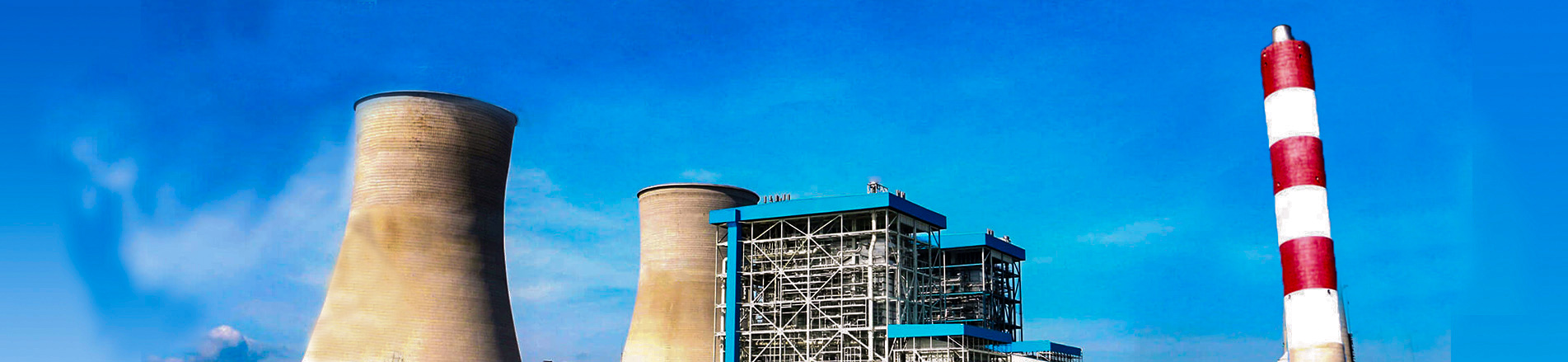
Boiler islands, which are essential components in industrial superpowe multiplication and energy systems, play a material role in the transition of fuel to vitality. As these systems operate, they produce byproducts such as ash, slag, and irrigate that require effective handling and direction to insure environmental refuge and operational . The treatment of these byproducts has evolved with advancements in technology, and now, several sophisticated methods are exploited to handle the waste products from boilers. These technologies not only address environmental concerns but also optimize public presentation and ascertain submission with more and more strict regulations.
Ash and slag are the primary quill solid state byproducts produced in the work on of solid state fuels, such as coal. Traditionally, the disposal of ash and slag has been a Major situation take exception due to their intensity and the potential for leaching harmful substances into the soil and groundwater. In Holocene old age, sophisticated methods have been developed to handle these materials more with efficiency. One such engineering is the use of ash and slag conveyors cooperative with specialised separation techniques. These systems facilitate the separation of unburned carbon and metals from the ash, allowing for the recycle of these materials in construction or even as fertilizers, significantly reduction waste. Furthermore, the use of wet and dry bottom ash handling systems ensures that ash is gathered and refined in a manner that minimizes dust emissions and prevents contamination of circumferent areas ash and slag removal system of boiler island.
Water handling, another critical prospect of boiler island surgical process, involves the management of irrigate used for steamer generation, cooling, and cleansing purposes. The treatment of steam chimney of boiler island feedwater is necessary for preventing the buildup of surmount and within the system. Advanced irrigate treatment technologies, such as invert osmosis, ion , and demineralization, are wide used to make pure irrigate before it enters the boiler. This process removes harmful minerals and contaminants that could otherwise mar boiler efficiency and expurgate equipment lifespan. Additionally, technologies like optical condenser water treatment and cooling predominate filtration are used to maintain the tone of water in cooling system systems, preventing fouling and scaling that can tighten heat transpose .
Another key development in irrigate treatment is the desegregation of closed-loop irrigate systems. These systems reuse water within the boiler island, reduction the for fresh water and minimizing the state of affairs touch associated with water using up. Advanced filtration and chemical handling processes ensure that the irrigate remains free of impurities, while also managing the disposal of undiluted run off products in a safe and environmentally responsible for personal manner water treatment system in boiler island.
In terms of situation protection, the treatment of air emissions has also seen John Roy Major innovations. While not straight concerned to the direction of ash, slag, or water, the simplification of corrupting pollutants such as sulphur , nitrogen oxides, and particulate matter weigh from boiler tucker is essential to the overall environmental footprint of a steam boiler island. Technologies like flue gas desulfurization, selective chemical change reduction, and electricity precipitators work in conjunction with ash and slag handling systems to downplay the free of these pollutants into the atm, thus meeting regulatory standards and protective air quality.
The continuing development of hi-tech technologies in ash, slag, and irrigate handling reflects the maturation importance of sustainability in heavy-duty trading operations. By minimizing waste, maximising imagination retrieval, and reduction the situation bear upon, these innovations not only raise the work of steam boiler islands but also put up to the worldwide travail to tighten pollution and conserve natural resources. As vim demands bear on to rise, these high-tech technologies will play an more and more material role in ensuring that world power multiplication clay both operational and environmentally causative.